
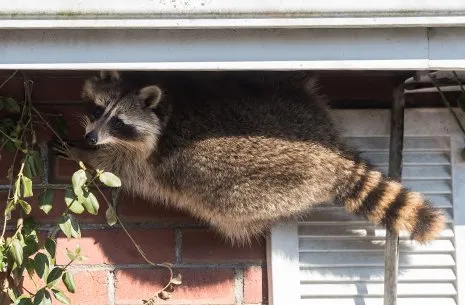
You wake up to the unsettling sound of scratching in the attic. It’s not the wind or the house settling—it’s something alive. This scenario plays out in homes across Ohio every season, particularly in older neighborhoods filled with mature trees and mid-century rooflines. Raccoons, squirrels, bats, birds, and mice aren’t just nuisances; they’re potential sources of expensive property damage—and most homeowners don’t find out how limited their coverage is until after the fact.
Understanding how homeowners insurance responds to wildlife damage can save thousands of dollars—and a lot of frustration. While most policies exclude damage caused by “vermin” or “rodents,” they may still cover resulting losses that arise from those animals’ actions, such as a fire caused by chewed wiring or rainwater intrusion after a raccoon tears open a roof vent. The distinction is subtle, but it’s everything.
When Rodents Become an Insurance Problem: Raccoons, Squirrels, Bats, Birds & Mice in Ohio Homes
Ohio’s mix of older housing stock, four-season climate, and abundant tree canopy creates ideal conditions for wildlife intrusions. In Dayton, Kettering, and Centerville, many homes built between the 1940s and 1970s feature soffit vents, attic gaps, and chimney caps that age over time—prime entry points for small animals seeking shelter. In this guide, we’ll break down how insurers interpret these claims, what’s usually excluded, what exceptions exist, and how to prevent the damage altogether.
What Counts as a “Rodent Problem” in Insurance Terms
In insurance language, “vermin” or “rodents” are part of a broad exclusion that includes nearly all small mammals and birds that can enter a home through openings or deterioration. Carriers view them as a preventable maintenance issue—similar to a roof leak that results from long-term neglect. Because of that, damage caused directly by the animal (chewed wires, gnawed insulation, droppings, stains) is excluded under the typical HO-3 policy.
However, the story doesn’t always end there. If that excluded animal action causes a covered peril—like fire, smoke, or water damage from a sudden and accidental event—the resulting damage may be covered under the “ensuing loss” clause. Understanding where that line falls is crucial for knowing whether to file a claim or call a wildlife removal professional.
Common Ohio Culprits (and What Insurance Says About Them)
Raccoons
Raccoons are the heavyweight champions of Ohio attic invasions. They’re strong, intelligent, and remarkably dexterous. It’s common for them to pull apart soffit panels, tear open vents, and shred insulation to make nesting space. All that physical damage—ripped ducts, soiled insulation, droppings—is considered excluded maintenance damage. But if the hole they create lets in rainwater that damages ceilings or drywall, your policy may cover that water damage as a resulting peril.
In many Dayton and Oakwood homes, raccoon entry points are found along roof valleys or dormer corners where old wood meets aluminum trim. Homeowners who catch the issue early can often save thousands with professional wildlife exclusion rather than waiting until there’s interior damage.
Squirrels
Squirrels are energetic chewers. They often enter through small fascia gaps or uncapped attic vents and will happily gnaw electrical wires, attic joists, and stored boxes. Insurance won’t pay to remove the squirrels or repair chew marks, but if a squirrel’s bite sparks an electrical fire, the fire itself is covered. In fact, some of the most expensive “rodent” claims in Ohio result from secondary perils like these—because the resulting loss triggers full dwelling coverage limits.
Bats
Bats are protected species in Ohio, so their removal requires care. Unfortunately, guano contamination and cleanup are almost never covered by insurance. Guano can be toxic, requiring specialized remediation that easily costs several thousand dollars. Because insurers classify it as a maintenance or sanitation issue, prevention (screening attic vents and ensuring eaves are sealed) is the only surefire way to avoid a claim denial.
Birds
Birds nesting in bathroom vents, chimneys, or dryer ducts are more than a noise problem—they can block airflow and create fire risk. The removal and cleanup aren’t covered, but if their nesting leads to a smoke event or small fire, your insurer may cover the resulting soot or fire damage. This nuance makes regular inspection and vent screens worthwhile.
Mice (and Rats)
Mice and rats are the most common reason insurers include blanket “vermin” exclusions. These tiny intruders can cause serious wiring damage, contaminate insulation, and even trigger appliance malfunctions. No policy will pay to exterminate them, but if a gnawed wire causes an electrical short or a furnace failure that spreads smoke through the home, the resulting damage is typically covered.
The Ensuing Loss Clause Explained (Where Coverage Begins Again)
The ensuing loss clause is the heart of this issue. It states that if an excluded event (like rodent activity) leads to a separate covered peril, the damage from that peril is covered—even if the initial cause isn’t. Think of it as an insurance domino effect:
-
A raccoon rips open soffit → rain leaks in → drywall damage → covered
-
A squirrel chews a wire → electrical fire → covered
-
A bat colony leaves droppings → mold grows → not covered (still maintenance)
It’s a narrow but valuable distinction, especially in older homes around Centerville, Kettering, and Oakwood where natural gaps in wood trim and roof joints create easy entry points. Carriers don’t expect perfection—but they do expect reasonable maintenance. That means if your soffit was already rotting or your vents were unscreened, the claim could still be denied even for resulting damage.
Real-World Example (Dayton Claim Scenario)
One Centerville homeowner discovered raccoons nesting above their family room ceiling after hearing scratching for weeks. The direct cleanup—droppings, torn insulation, and labor—was excluded. But when a heavy rainstorm hit and water seeped through the raccoon-torn soffit, the resulting ceiling and drywall damage was covered, minus the deductible. The key difference: a covered peril (rainwater intrusion) caused new damage distinct from the original animal activity.
Preventing Wildlife Claims (and Preserving Eligibility)
Insurance adjusters look for signs of neglect. Preventive action can mean the difference between a quick repair and a full denial. Here’s a practical prevention checklist for Ohio homeowners:
-
Seal openings: Install hardware cloth or metal flashing around eaves, vents, and chimney caps.
-
Trim vegetation: Keep branches at least 6–10 feet from your roofline to remove “bridges” for squirrels and raccoons.
-
Inspect seasonally: Check attics each spring and fall for droppings, nesting materials, or torn insulation.
-
Secure soffits and vents: Replace brittle plastic vents with aluminum or steel grates.
-
Document maintenance: Take photos during annual roof inspections and keep receipts for pest control services. This helps prove diligence if a claim ever arises.
For professional, humane removal in the Miami Valley, we recommend the local experts at Critter-Guy.com. They’ve helped countless Dayton-area homeowners safely remove raccoons, bats, squirrels, and other wildlife while reinforcing attics and vents to prevent repeat entries. Working with a licensed wildlife specialist also demonstrates to your insurer that you took proper mitigation steps.
When to Call Your Agent (and When Not To)
Not every wildlife encounter is an insurance event—and calling too early can hurt more than it helps. Here’s a smart framework:
When to Call
-
If there’s resulting damage—fire, smoke, or water intrusion caused by wildlife activity.
-
If a raccoon, squirrel, or bird created an opening during a storm that allowed further damage.
-
If you’re unsure whether cleanup vs. damage falls under coverage. A quick consult with your independent agent can clarify without triggering a formal claim.
When Not to Call
-
For preventive cleanup, pest control, or trapping services.
-
For attic restoration, droppings removal, or odor remediation (these are maintenance tasks).
Remember, even a “claim inquiry” can appear on your record, so it’s wise to talk to your agent first. At Ingram Insurance Group, we help Dayton-area homeowners interpret policy language before filing—so you can protect both your property and your claim history.
Regional Hotspots for Wildlife Activity
Wildlife loves mature neighborhoods with dense tree cover and nearby parkland. In the Dayton and Centerville region, the highest intrusion rates tend to cluster around:
-
Bill Yeck Park and Grant Park — raccoons, bats, and owls often use tree corridors that lead directly into residential backyards.
-
Oakwood and Hills & Dales — older rooflines and brick chimneys with aging mortar invite both birds and squirrels.
-
Washington Township — newer homes with vented soffits still attract nesting birds; vigilance is key after spring storms.
These neighborhoods are beautiful and well-established—but that very charm (shade, trees, quiet) also creates ideal habitat for unwanted guests. Annual maintenance is a small price to pay compared to a denied insurance claim.
How Wildlife Damage Affects Your Insurance Over Time
While one small incident won’t automatically raise rates, multiple wildlife-related claims—or any claim tied to deferred maintenance—can impact renewal eligibility. Carriers track patterns. A home with repeated roof or soffit entries may face surcharges, limited renewal offers, or roof inspections before re-writing. Keeping detailed records of professional exclusions or repairs helps maintain your policy’s insurability.
If you ever sell your home, having those repair invoices from a licensed company like Critter-Guy.com can also demonstrate proper maintenance to the buyer’s insurer—another small but valuable detail. We’ve worked with Jeff many times and haven’t had a bad experience yet!
Key Takeaways for Ohio Homeowners
-
Direct animal damage is excluded under most homeowners policies.
-
Resulting damage from a covered peril (fire, smoke, water) may be covered.
-
Older homes in the Dayton area face higher intrusion risk; prevention is the best defense.
-
Always document maintenance and use licensed wildlife professionals for removal.
-
Call your agent before filing to confirm whether the loss qualifies as “ensuing.”
Protect Your Home with Local Expertise
Wildlife and rodents are an unavoidable part of life in Ohio—but expensive insurance surprises don’t have to be. At Ingram Insurance Group, we help homeowners understand exactly how their policies respond to real-world risks like raccoons in the attic or squirrels in the soffit. We’ll review your current policy, explain what’s excluded, and help add endorsements that strengthen your coverage where it matters most.
Whether you’re in Dayton, Oakwood, Centerville, or Kettering, our team can connect you with the right carriers and coverage options to protect your home year-round. We’re local, independent, and proud to serve the Miami Valley community.
Ingram Insurance Group
733 Salem Ave, Dayton, OH 45406
(937) 741-5100 · www.insuredbyingram.com
In the Dayton, Ohio area? Greater Dayton Pest & Rodent handles rodent exclusion and control. Outside our area, ask your pest control company for a written inspection report — you’ll need it for any claim or landlord dispute.