
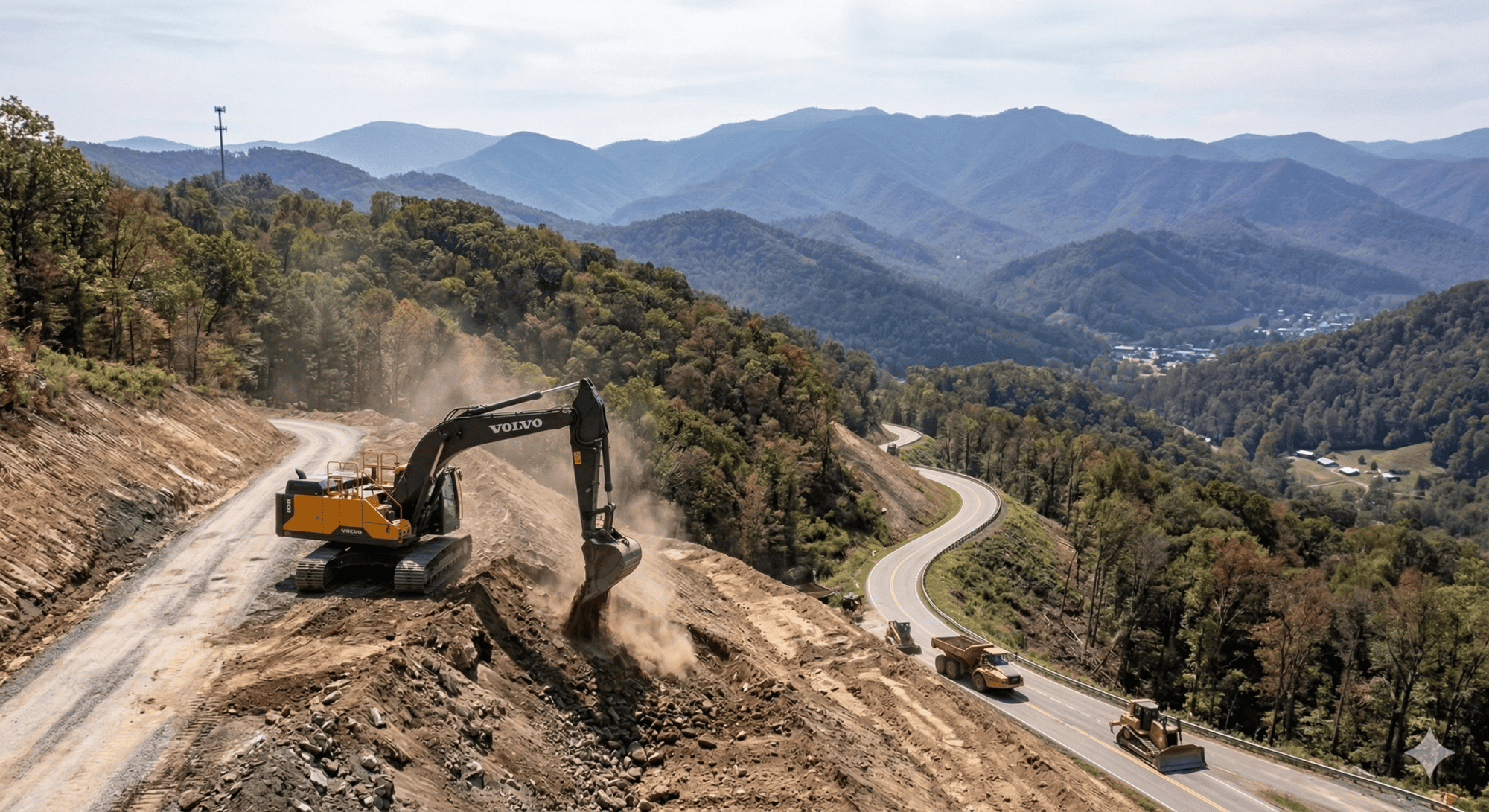
In the construction industry, excavation work is often a critical component of many projects. However, it also presents unique risks and challenges that require careful consideration and planning. One of the most effective ways to manage these risks is through excavation liability insurance. This blog post aims to provide a detailed exploration of excavation liability insurance, its importance, and what it typically covers.
What is Excavation Liability Insurance?
Excavation liability insurance is a specialized form of coverage designed to protect businesses involved in excavation activities. This type of insurance is crucial for contractors who engage in digging, trenching, and other earth-moving operations. It provides financial protection against claims of bodily injury, property damage, and other liabilities that may arise during excavation work.
Key Components of Excavation Liability Insurance
-
Bodily Injury Coverage: This component covers legal liabilities arising from injuries sustained by third parties due to excavation activities. For instance, if a passerby is injured by falling debris from an excavation site, this coverage can help pay for medical expenses and legal fees.
-
Property Damage Coverage: Excavation work can inadvertently cause damage to surrounding properties, such as underground utilities, adjacent buildings, or landscaping. Property damage coverage protects against the financial repercussions of such incidents.
-
Completed Operations Coverage: This aspect of the policy covers liabilities that may arise after the excavation work has been completed. For example, if a trench collapses after the project is finished, causing damage or injury, this coverage would apply.
-
Environmental Liability Coverage: Given the potential for environmental impact during excavation, this coverage addresses liabilities related to pollution or environmental damage caused by excavation activities.
Why is Excavation Liability Insurance Important?
Excavation work is inherently risky, involving heavy machinery, deep trenches, and the potential for unforeseen complications. Without proper insurance coverage, contractors could face significant financial losses from lawsuits or claims. Excavation liability insurance not only protects the contractor’s financial interests but also enhances their reputation by demonstrating a commitment to safety and responsibility.
Risk Management and Compliance
Having excavation liability insurance is also a critical component of risk management and regulatory compliance. Many construction contracts and local regulations require contractors to carry adequate insurance coverage. By securing this insurance, contractors can ensure compliance with legal requirements and avoid potential project delays or penalties.
How to Obtain Excavation Liability Insurance
Obtaining excavation liability insurance involves working with an experienced insurance agent who understands the specific risks associated with excavation work. The agent will assess the contractor’s needs, evaluate potential risks, and recommend a policy that offers comprehensive protection.
Factors Affecting Premiums
Several factors can influence the cost of excavation liability insurance premiums, including:
-
Project Size and Scope: Larger projects with more complex excavation work may result in higher premiums due to increased risk exposure.
-
Location: The geographical location of the project can impact premiums, especially if the area is prone to certain risks such as flooding or earthquakes.
-
Safety Record: Contractors with a strong safety record and effective risk management practices may benefit from lower premiums.
For more information on how excavation liability insurance can protect your business and ensure compliance with industry standards, we encourage you to reach out to our agency. Our team of experts is ready to assist you in finding the right coverage tailored to your specific needs.