
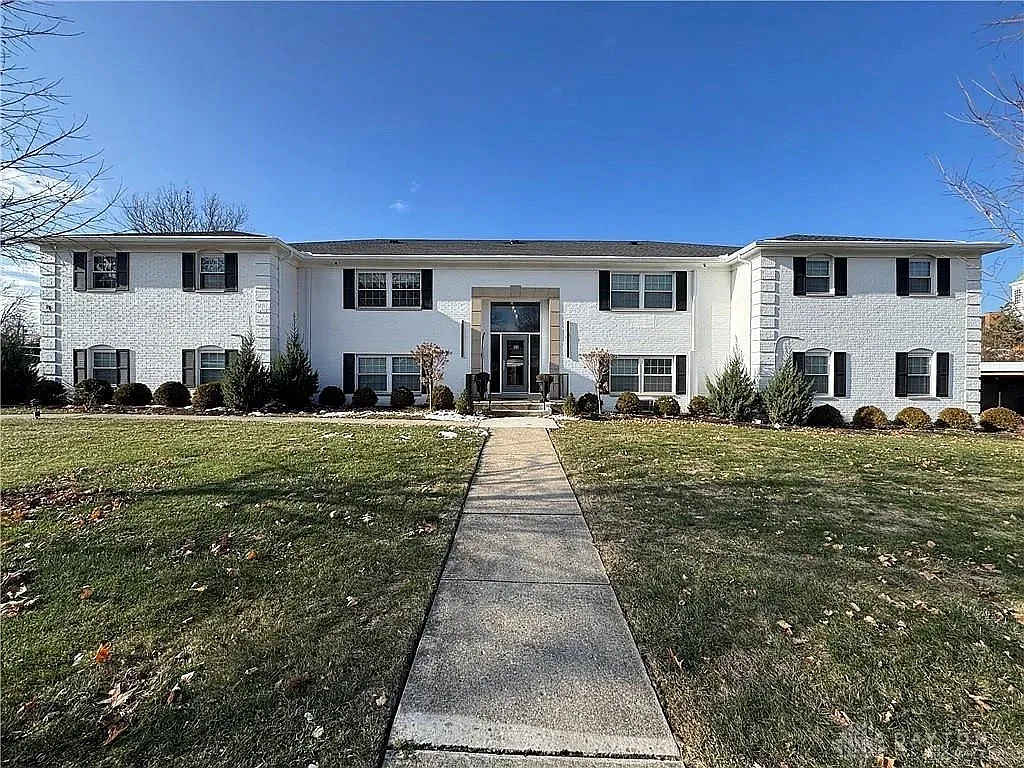
For over a century, brick multi-family properties have formed the backbone of Cincinnati’s residential architectural identity. From the historic Italianate multi-family spaces of Over-the-Rhine and the classic multi-unit structures of Walnut Hills to the sprawling mid-century brick complexes in western suburbs like Westwood and Bridgetown, these buildings represent excellent investments. They offer durable construction, classic aesthetic appeal, and consistent rental demand in a steady Midwestern market.
However, owning and operating a multi-family property requires more than managing physical infrastructure and tenant relationships. Today’s commercial real estate environment introduces a distinct challenge: finding reliable, affordable, and comprehensive commercial property and liability insurance.
The market for insuring brick apartment buildings in Cincinnati is unique, characterized by limited carrier capacity, rapidly shifting risk appetites, and a strictly enforced “revolving door” of insurance companies entering and exiting the Ohio habitational space.
To protect your real estate portfolio and keep cash flow predictable, you must understand how insurance carriers evaluate historic and modern brick assets in Hamilton County, and how a proactive, independent risk strategy secures the best coverage available.
1. Why Brick Construction Matters to Commercial Underwriters
From a structural perspective, underwriters categorize apartment buildings by their construction materials. This metric directly determines your baseline property premium rates. When evaluating brick apartment buildings in Cincinnati, underwriters generally split properties into two main insurance classifications:
-
Joisted Masonry (ISO Construction Class 2): This applies to classic brick buildings where the exterior walls are crafted from solid brick, stone, or concrete blocks, but the interior floors, structural frames, and roof supports are made of wood. This layout is common across historic Cincinnati properties built between 1880 and 1950.
-
Masonry Non-Combustible (ISO Construction Class 4): This applies to modern multi-family complexes featuring thick masonry exterior walls paired with interior floors and roofs constructed from non-combustible materials like steel beams and concrete decks.
The Clear Advantages of Brick
Insurance companies favor brick structures over wood-frame construction for one primary reason: fire mitigation. Solid brick exterior walls act as a structural fire barrier. If a kitchen fire breaks out in a single unit, brick walls help confine the blaze, preventing it from consuming the entire complex. Because the risk of a total, catastrophic fire loss is significantly lower in a brick building than in a wood-frame structure, brick properties qualify for lower base rates per thousand dollars of total insurable value (TIV).
The Hidden Risk: Maintenance of Aging Assets
While brick itself is durable, older brick properties possess unique risk profiles that underwriters scrutinize. The primary vulnerability is deferred structural maintenance. Over decades, exposure to Cincinnati’s freeze-thaw winter cycles causes mortar joints to degrade, leading to moisture intrusion, spalling (where the brick face cracks and flakes away), and potential structural bowing.
Additionally, historic brick buildings often contain older interior infrastructure. When an underwriter sees a 1920s brick apartment building in Northside or Clifton, they are less worried about the brick itself and more concerned with the age of the hidden infrastructure: the knob-and-tube wiring behind the plaster, the galvanized iron water mains, and the structural integrity of the roof frame.
2. The Unique Landscape of the Ohio Multi-Family Insurance Market
The multi-family insurance sector—technically known as the habitational market—ranks among the toughest sectors in the commercial property and casualty industry. In Ohio, and specifically within the Cincinnati metropolitan footprint, this difficulty is shaped by a highly consolidated carrier landscape.
The Habitational Insurance Cycle:
[ Carrier Enters Market ] → Offers Low Rates & Aggressive Terms → [ Claims Accumulate ] → Sustains Heavy Loss Ratios → [ Carrier Restricts Underwriting ] → [ Broker Shops Portfolio ] → (Loop Repeats)
The Tale of Two Markets: Property Stabilization vs. Liability Strain
The commercial insurance ecosystem has experienced a distinct divergence. On the physical property side, rates are stabilizing. Following several years of sharp rate hikes driven by inflation, material costs, and global reinsurance pressures, standard property capacity has normalized. Well-maintained brick structures with modern updates are securing manageable renewals.
Conversely, the general liability and commercial umbrella market remains highly restrictive. Carriers face an upward trend in “social inflation”—the rising cost of insurance claims driven by third-party litigation funding, broader judicial interpretations of landlord liability, and a rise in significant court verdicts across the country.
In response, many habitational insurance providers have tightened their general liability guidelines. They routinely include restrictive policy exclusions for multi-family assets, particularly regarding:
-
Assault and battery exclusions
-
Strict limitations on animal liability
-
Exclusions or tight limits for slip-and-fall claims in common areas or parking lots
3. The “Revolving Door” of Commercial Carriers
For Cincinnati real estate investors, the defining characteristic of the local market is the rapid change in insurance provider appetites. The multi-family insurance space functions like a revolving door:
The Habitational Market Cycle: A new carrier identifies an opportunity in the Ohio multi-family sector, launches an insurance program with competitive rates, and captures significant market share. Within 24 to 36 months, an accumulation of tenant liability claims, water damage losses, or winter storm property damage impacts their loss ratios. In response, the carrier abruptly tightens its underwriting rules, raises rates by 30% to 50%, or pulls out of the state entirely.
This constant fluctuation creates an environment where a policy that was affordable and comprehensive last year might be unavailable or cost-prohibitive at your next renewal. This underscores why matching your investments with a captive agent—who writes exclusively for a single brand—can limit your options. If that specific company changes its appetite for older brick assets, your agent’s hands are tied.
Protecting your investments requires access to an independent agency structure that tracks these carrier shifts in real time, identifying exactly which alternative options are active in Hamilton, Clermont, and Butler counties.
4. Key Underwriting Hurdles for Cincinnati Multi-Family Properties
When submitting an application for a brick multi-family property in Cincinnati, your asset must clear several underwriting benchmarks. If your building falls short in any of these areas, it will likely be routed away from preferred, low-cost admitted markets and sent to the high-premium Excess & Surplus (E&S) lines market.
System Updates (The 4-Point Commercial Review)
For buildings constructed before 1990, carriers demand verified proof of comprehensive updates to the four primary building systems:
Building System Underwriting Mandate & Risk Mitigators Roofing Roof age is a critical underwriting filter. Many carriers refuse to write structural coverage for roofs older than 15 to 20 years. Underwriters look for modern architectural shingles or fully documented commercial rubber/TPO membranes. Electrical Aluminum wiring and knob-and-tube systems are immediate grounds for declination. Carriers require copper wiring paired with modern circuit breaker panels. Federal Pacific, Zinsco, or unclassified split-bus breaker panels must be replaced before preferred pricing can be secured. Plumbing Polybutylene and historic galvanized piping are flagged for high leak risks. Underwriters favor modern PEX, copper, or PVC plumbing lines. HVAC Heating systems must be safely configured and professionally maintained. Properties relying on space heaters or legacy low-pressure steam boilers face lower capacity and higher deductibles.
Valuation and Insurance-to-Value (ITV)
One of the most frequent friction points in insuring brick assets is determining the building’s Replacement Cost Valuation. Because historic masonry construction is expensive to replicate, the cost to rebuild a brick multi-unit structure using modern building codes often surpasses its market real estate value.
Carriers utilize software models like Marshall & Swift/Boeckh to calculate a property’s exact replacement cost. As an investor, you must ensure your property limits reflect this calculation. Under-insuring a building to save on premium costs can trigger a co-insurance penalty following a partial loss, leaving you to pay a substantial portion of a claim out-of-pocket.
5. Historic Brick vs. Modern Masonry: Risk & Coverage Realities
Insuring an 8-unit historic brick building in East Walnut Hills is a completely different financial exercise than insuring a 40-unit brick-veneer garden apartment complex built in Cincinnati during the 1990s.
Managing Historic Brick Asset Exposures
Historic properties hold character, but they carry distinct insurance vulnerabilities:
-
Ordinance or Law Coverage: If a fire damages 50% or more of an older brick building, Cincinnati city code typically mandates that the entire structure must be brought up to contemporary building codes during repairs. This requires adding modern fire suppression sprinklers, updated electrical conduits, and ADA-compliant stairwells and access ramps. A standard commercial property policy only covers the cost to repair the damaged space back to its original condition. To avoid absorbing these forced upgrade costs, historic property owners must add Ordinance or Law Coverage (Endorsements A, B, and C) to their portfolio.
-
Water Damage and Main Deductibles: Legacy brick buildings frequently experience interior water damage from frozen pipes or failing service lines. Many carriers manage this risk by implementing specialized water damage deductibles that are separate from and higher than the policy’s standard All Other Perils (AOP) deductible.
Modern Brick Complexes and Liability Profiles
Modern brick-and-frame garden apartment complexes present different underwriting considerations. While their mechanical systems are usually updated, their larger scale increases liability risks. Underwriters shift focus toward:
-
Pedestrian walkway safety and comprehensive parking lot lighting
-
Balcony structural integrity and uniform guardrail heights
-
Detailed landlord logbooks tracking snow removal and ice mitigation during Ohio winters
-
The proximity of units to the nearest fire hydrants and responding fire stations (the property’s Protection Class rating)
6. Smart Risk Mitigation Strategies to Lower Premium Costs
You cannot control global commercial insurance cycles, but you can position your specific Cincinnati real estate assets to be highly attractive to underwriters. Implementing targeted risk management practices directly influences your premium pricing and deductible options.
-
Implement Main Water Leak Detection: Water damage claims are a primary driver of rising habitational premium costs. Installing smart, commercial-grade water shutoff valves and inline flow sensors can prevent minor pipe leaks from turning into catastrophic interior losses. Demonstrating that your portfolio utilizes active water monitoring often unlocks preferred carrier access.
-
Establish Formal Tenant Screening Protocols: To secure the most competitive general liability rates, you must show clear, consistent tenant screening policies. Carriers favor landlords who require credit checks, background verifications, and verified proof of renter’s insurance with a minimum liability limit of $100,000.
-
Conduct Documented Proactive Inspections: Maintain an organized digital archive of property upkeep. Document annual roof evaluations, professional HVAC servicing, and regular testing of unit smoke and carbon monoxide detectors. Presenting a clean, documented maintenance log alongside an insurance application shows underwriters that your portfolio is managed with professional oversight.
7. The Independent Agency Advantage: Shopping and Solving
Because the Ohio multi-family market is consolidated and fluid, working with a single direct insurance writer or relying on a captive agent can leave your portfolio exposed to sudden market changes. When a carrier scales back its multi-family investments, captive clients often face steep premium increases or non-renewal notices with few clear alternatives.
Our agency operates on an entirely different model. As an independent commercial insurance specialist, we act as your long-term advocate, not an insurance company’s distributor. We understand that managing apartment buildings is a dynamic business model, and we monitor the shifting appetites of regional carriers, national insurers, and specialized E&S programs every day.
Continuous Portfolio Optimization
We don’t simply set your coverage and walk away. Our team actively reviews your multi-family portfolio well ahead of every annual renewal cycle:
-
Market Analysis: We audit your asset valuations, loss histories, and completed building updates against current market opportunities.
-
Carrier Competition: We leverage our relationships with specialized multi-family providers to create competition for your business, driving premium costs down while expanding your coverage limits.
-
Deductible Structuring: We tailor your policy architecture—balancing your baseline AOP deductibles, wind/hail provisions, and specialized liability limits—to align with your specific cash-flow goals and lender compliance mandates.
Whether you manage an individual historic brick four-family unit in Hyde Park or a multi-location apartment portfolio across the greater Cincinnati area, you deserve an insurance strategy that adapts alongside the market. We have the independence, the local market intelligence, and the carrier access to continuously optimize your coverage, protect your cash flow, and ensure your real estate investments remain securely protected.
Ready to stabilize your portfolio’s operating expenses? Learn more about how we build tailored risk programs for regional landlords by exploring our dedicated apartment owners insurance options, or connect with our risk management team today to start your upcoming renewal market review.





