
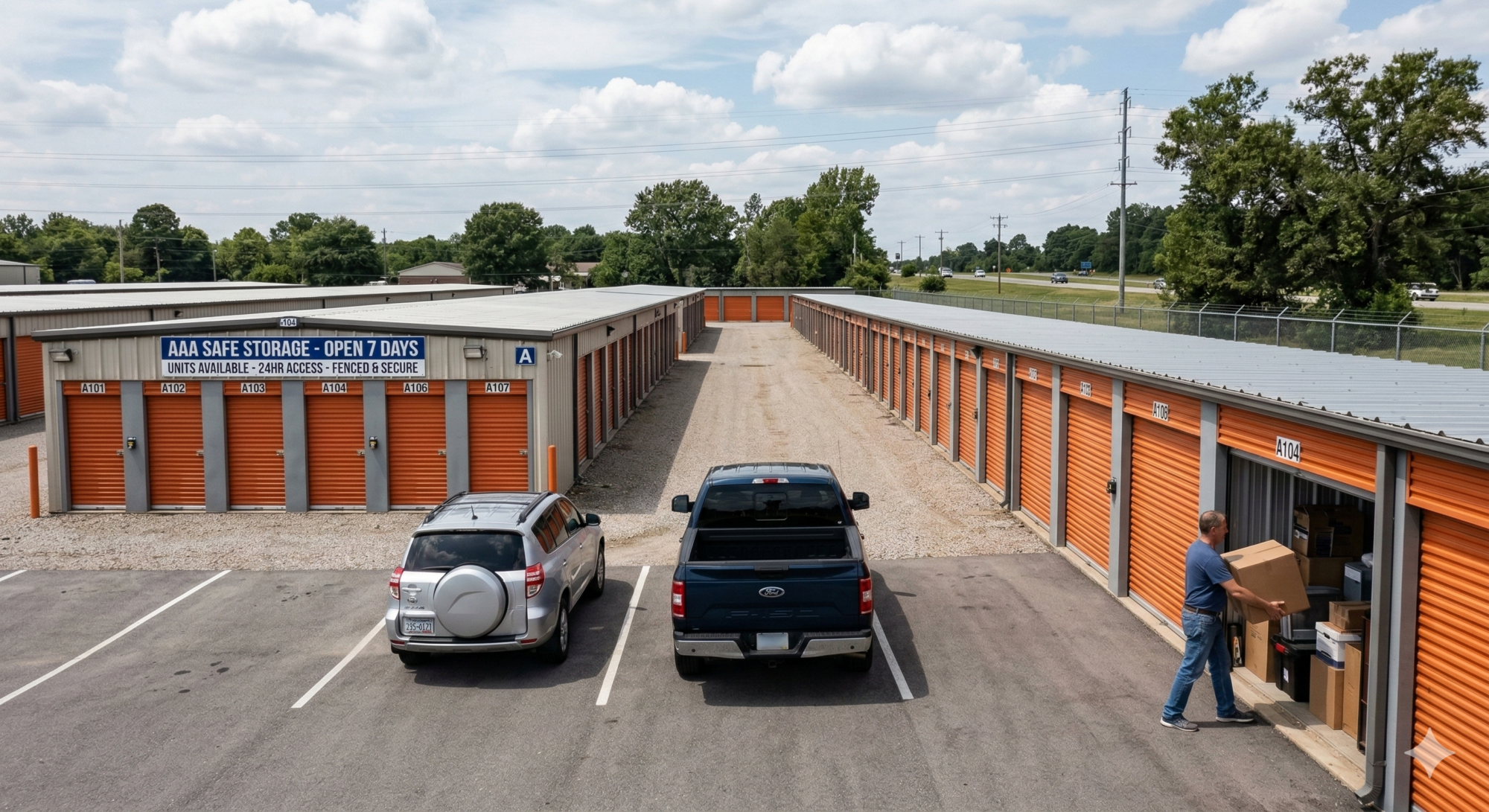
The Ultimate Guide to Insurance in Storage: Protecting Your Belongings and Vehicles
When we move, downsize, or clear out the garage, we often trust storage units to keep our most prized possessions safe. But there is a nagging question that many people overlook until it’s too late: Is your stuff actually covered while it’s behind that roll-up door?
Navigating the world of insurance in storage can feel like a maze. Between your existing homeowners policy, specialized facility insurance, and unique rules for vehicles, it’s easy to end up underinsured—or paying for coverage you don’t need. In this comprehensive guide, we’ll break down everything you need to know about protecting your assets, from insurance for items in storage to the specifics of car insurance for a car in storage.
1. Do You Actually Need Insurance in Storage?
The short answer is: Yes. Most reputable storage facilities actually require proof of insurance before you can sign a lease. However, even if they don’t mandate it, going without it is a massive financial risk. Common risks in storage include theft, fire, smoke damage, and water leaks.
Can You Insure Items in a Storage Unit?
Absolutely. Many people ask, “Can you insure items in a storage unit?” thinking that because the property isn’t in their home, it’s uninsurable. In reality, you have several options, including riders on your current policies or standalone “tenant insurance” offered by the facility.
2. Does Renters Insurance Cover Items in Storage?
One of the most common questions for apartment dwellers is: Does renters insurance cover items in storage? For most standard policies, the answer is yes, but with a significant catch known as “off-premises coverage.”
The 10% Rule: Understanding Limits
Most renters and homeowners insurance policies extend coverage to your personal property anywhere in the world. However, property located away from your primary residence is usually capped at a lower limit—often 10% of your total personal property coverage. If your renters insurance covers up to $30,000 of personal property, your “off-premises” limit for a storage unit might only be $3,000. If you are storing high-value electronics or furniture, you likely need a specific policy for insurance for property in a storage unit.
3. Car Insurance for a Car in Storage: A Special Case
Vehicles are handled differently than furniture. If you are looking for car insurance for car in storage, your standard renters or homeowners policy will not cover the vehicle itself.
Do I Need Insurance if My Car is in Storage?
Yes. Even if you aren’t driving it, a car in storage is still at risk of fire or theft. Furthermore, if you drop your insurance entirely, you risk a “lapse in coverage,” which can cause your future premiums to skyrocket. When people ask, “do i need insurance if my car is in storage,” they should consider “Comprehensive-Only” coverage. This covers the car against “acts of God” and theft without the high cost of collision or liability coverage.
What Insurance to Cover a Car in Storage?
When deciding what insurance to cover a car in storage, look for “comprehensive-only” or “lay-up” policies. These are designed for classic cars, seasonal vehicles, or cars being held during a long-term relocation. They are significantly cheaper because the insurance company knows the car isn’t on the road facing accident risks.
4. The Pest Problem: Rat Damage and Exclusions
One of the most frustrating discoveries for storage users is opening a unit to find ruined upholstery. A major search query is: does renters insurance cover rat damage in storage units?
Unfortunately, the answer is almost always no. Most insurance carriers view pest infestations (rats, mice, moths, or roaches) as a maintenance issue rather than a sudden “peril” like a fire. Because these damages happen over time, they are excluded from standard insurance for items in storage unit policies. To protect your items, use plastic airtight bins rather than cardboard boxes, which rats can easily chew through.
5. How to Choose the Right Policy for Items in Storage
When looking for insurance for property in storage unit, you have three primary paths:
-
Your Homeowners/Renters Policy: Cheapest option, but has low “off-premises” limits.
-
Facility-Provided Insurance: Convenient and has a low deductible, but can be more expensive per dollar of coverage.
-
Third-Party Specialty Insurers: Companies like MiniCo or Worth Ave. Group specialize specifically in insurance for items in storage.
6. Frequently Asked Questions
Can you insure items in a storage unit if you don’t have home insurance?
Yes. You can purchase a standalone tenant insurance policy through the storage facility or a third-party provider. This is a great option for people between homes or students.
Does renters insurance cover items in storage during a move?
Usually, yes. However, most policies only cover items “in transit” for a limited window (often 30 days). If your items stay in the unit longer, the standard “off-premises” limits will apply.
What is the average cost of insurance in storage?
For most units, you can expect to pay between $10 and $30 per month depending on the total value of the items. For car insurance for car in storage, the cost is higher but still significantly less than a standard auto policy.
7. Conclusion: Don’t Leave Your Legacy to Chance
Whether you are looking for insurance for items in storage unit or specialized car insurance for car in storage, the key is to act before the unit door is locked. Check your current policy for “off-premises” limits, ask your facility about their requirements, and always remember that while insurance covers fire and theft, it won’t help with rat damage in storage units—so pack wisely!
Protecting your belongings is about more than just a monthly premium; it’s about peace of mind. Now that you know what insurance to cover a car in storage and how to handle insurance for property in storage unit, you can store your items with confidence.