
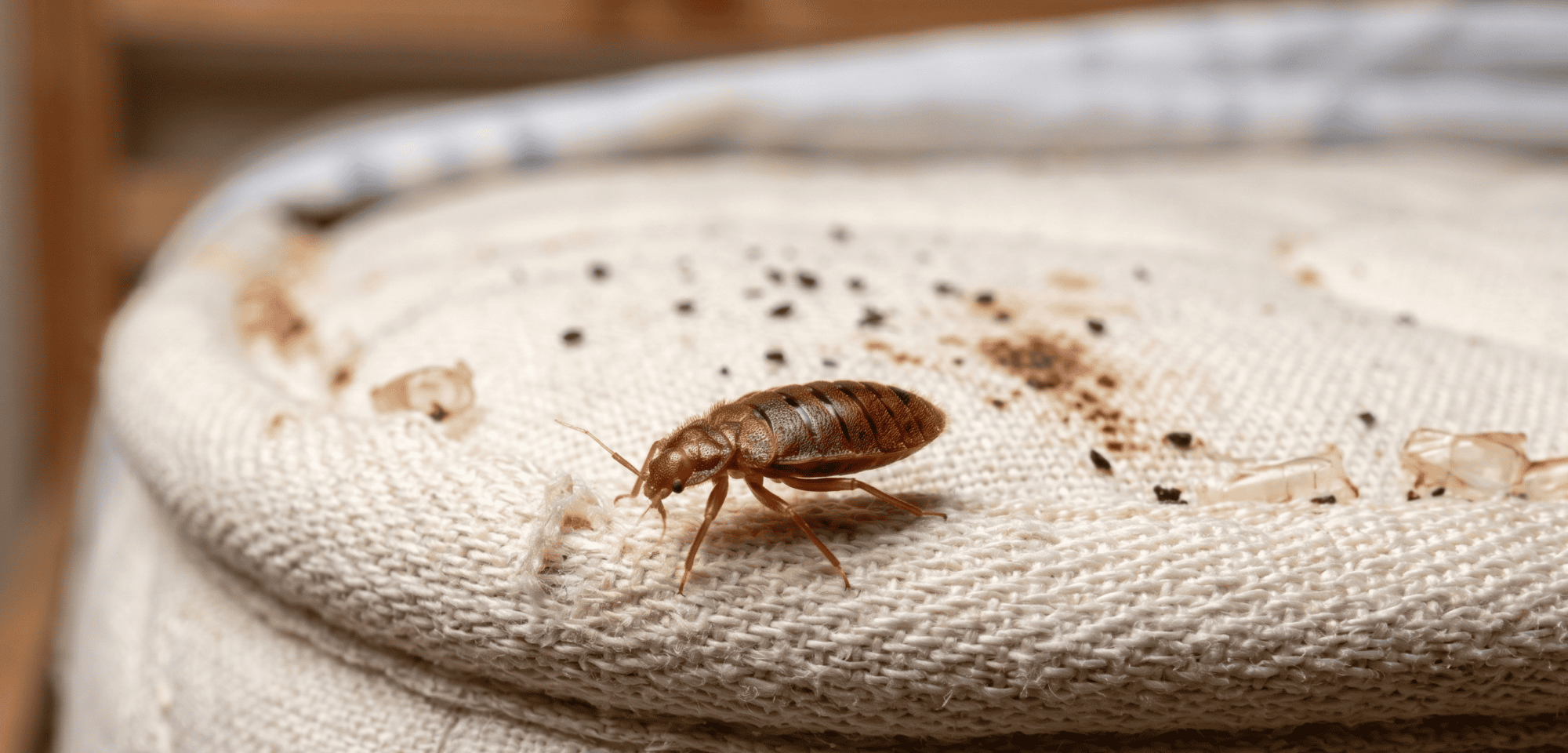
1. The Short Answer: Does Renters Insurance Cover Bed Bugs?
To give it to you straight: Standard renters insurance policies almost never cover bed bug eradication, extermination services, or the replacement of personal property damaged by bed bugs.
In the insurance world, standard HO-4 renters insurance policies operate on a framework of covered “perils.” A peril is an event that causes damage, such as a fire, a lightning strike, a burst pipe, or a theft. Standard policies explicitly list the perils they protect against (named perils) or list specific exclusions (open perils).
Unfortunately, insect and pest infestations—including bed bugs, termites, mice, and cockroaches—are categorized as preventable maintenance issues rather than sudden, accidental disasters. Because insurance is designed to protect against unexpected, catastrophic risks rather than the gradual wear-and-tear or biological maintenance of a property, standard carriers deny claims related to pest control.
However, while the baseline answer is a discouraging “no,” the full picture of renters insurance and bed bugs is highly nuanced. There are rare exceptions, specialized endorsements, and specific legal avenues where you might find financial relief.
2. Deciphering the Policy: Why Pests Are Excluded
To understand why a standard policy won’t give you a payout for a bed bug outbreak, it helps to look at the exact language used in property and casualty insurance forms.
The Maintenance Exclusion
Insurance underwriters view pest control as part of standard home maintenance. Just as an insurance policy won’t pay to replace a worn-out carpet or fix a leaky faucet that has been dripping for six months, it will not foot the bill for an organism that multiplies over time. The industry logic dictates that routine cleaning, early inspection, and proactive property upkeep should theoretically prevent or mitigate pest damage before it becomes a total loss. Of course, anyone who has dealt with bed bugs knows they do not care how clean your home is—but insurance guidelines remain rigid on this distinction.
The Definition of “Sudden and Accidental”
For a claim to be paid out under standard personal property or loss of use coverage, the damage must stem from an event that is sudden and accidental. A fire engulfing a living room is sudden and accidental. A pipe bursting and flooding an apartment is sudden and accidental. A bed bug population slowly establishing itself over several weeks or months after hitching a ride on a piece of luggage does not meet this definition.
3. The Three Pillars of Renters Insurance vs. Bed Bugs
To fully evaluate how renters insurance cover bed bugs or fails to do so, let’s look at how an infestation interacts with the three core components of a standard policy:
A. Personal Property Coverage (Coverage C)
Personal property coverage protects your belongings—like clothes, furniture, electronics, and linens—if they are destroyed by a covered peril.
-
The Reality: If you have to throw away a $2,000 mattress, a designer couch, or your entire wardrobe because of a severe bed bug infestation, renters insurance bed bugs claims will be denied. The physical damage or contamination caused by bugs is not a listed peril.
-
The Rare Exception: The only time personal property coverage might apply to a pest scenario is if the infestation was a direct, traceable result of an independent covered peril. For example, if a severe fire forces you to temporarily relocate your furniture to a commercial storage facility named in your policy, and that specific facility suffers a catastrophic event that compromises your items, you might have an argument—though even then, pest exclusions inside the facility usually complicate things.
B. Loss of Use / Additional Living Expenses (Coverage D)
Loss of Use coverage kicks in if a covered peril renders your rental unit entirely uninhabitable. It helps pay for hotel stays, restaurant meals, and relocation costs so you can maintain your standard of living while your home is being repaired.
-
The Reality: If your apartment is so severely infested with bed bugs that you cannot sleep there, and you must move into a hotel for two weeks while a pest control team performs a thermal heat treatment, renters insurance and bed bugs loss of use coverage will not pay for your hotel stay. Because the underlying cause (the bed bugs) is not a covered peril, the resulting displacement is not eligible for reimbursement.
C. Personal Liability Coverage (Coverage E)
Personal liability insurance protects you if you are legally held responsible for causing bodily injury or property damage to someone else.
-
The Reality: This is where things get interesting and potentially dangerous for tenants. Imagine you unknowingly bring bed bugs into your apartment building. The bugs travel through the electrical outlets or baseboards into neighboring units, causing thousands of dollars in extermination costs and property damage for your neighbors and landlord.
-
If your landlord or a neighbor sues you for introducing the infestation due to gross negligence, your renters insurance liability coverage might be triggered to provide a legal defense or cover damages—but most modern policies now feature strict, explicit pest and biological exclusions within their liability terms to avoid these exact payouts.
4. When the Landlord is on the Hook: Implied Warranty of Habitability
Because standard renters insurance cover bed bugs so poorly, tenants must look to landlord-tenant law for protection. In almost every state, residential leases are governed by a legal principle known as the Implied Warranty of Habitability.
This law states that landlords are legally obligated to provide a safe, clean, and livable environment for their tenants. A severe insect infestation, especially one that bites human occupants and disrupts sleep, directly violates this warranty.
Multi-Unit Buildings vs. Single-Family Homes
-
Multi-Unit Buildings (Apartments): If you live in an apartment building and discover bed bugs, the burden of proof often favors the tenant. Because bed bugs travel easily between walls, it is incredibly difficult to prove which tenant brought them in. Courts and housing boards generally mandate that the landlord pay for the extermination because managing the structural integrity and pest-free status of a multi-unit building is fundamentally the owner’s responsibility.
-
Single-Family Homes: If you rent an isolated single-family house and develop a bed bug problem six months into your lease, the landlord may argue that you or your guests introduced the pests. In these cases, unless you can prove the bugs were dormant in the house before you moved in, you might be held financially liable for the extermination costs.
State-Specific Regulations
Landlord-tenant laws vary wildly depending on your geography.
-
In states like New York, California, and Ohio, landlords have incredibly strict timelines to respond to pest complaints. For instance, in certain municipalities, a landlord must hire a certified pest control operator within 48 to 72 hours of receiving written notice from a tenant.
-
Some modern lease agreements include specific “Bed Bug Addendums.” These documents outline exactly who pays for what, how quickly an infestation must be reported, and the specific duties of the tenant (such as preparing the unit for treatment). Always read these addendums carefully before signing a lease.
5. Can You Get Special Insurance Coverages or Riders?
As bed bug infestations became a resurgent global problem over the past two decades, the insurance industry recognized a gap in the market. While standard policies exclude them, there are specialized insurance products designed specifically around renters insurance and bed bugs.
Specialized Pest Endorsements
Some progressive insurance companies offer optional riders or add-ons that you can append to your standard renters policy for an additional monthly fee. These endorsements specifically extend coverage to pest remediation.
-
What they cover: They typically pay for professional extermination services (up to a set limit, such as $1,000 or $3,000) and may offer a small allowance for personal property replacement or temporary relocation.
-
Availability: These riders are not universally available. They are heavily restricted by geographic location and zip codes that have historical bed bug hotspots.
Standalone Bed Bug Insurance Policies
There are niche specialty insurance firms that sell standalone policies explicitly designed for bed bugs. These policies are separate from your renters insurance and function like a targeted extended warranty. They require you to pay a small annual premium, and in the event of a certified infestation, they deploy an approved pest control network to handle the problem with zero or minimal out-of-pocket costs for you.
6. Real-World Scenarios: Is It Ever Covered?
To illustrate how these complex rules play out in real life, let’s analyze a few hypothetical scenarios a renter might encounter.
Scenario A: The Infested Used Couch
The Situation: You buy a beautiful, gently-used velvet sofa from an online marketplace. Three weeks after moving it into your apartment, you notice red, itchy bites on your arms. A pest control professional confirms a massive bed bug population nesting inside the couch framing.
The Coverage Verdict: No coverage. Your standard renters insurance will not pay for the extermination, nor will it compensate you for the money you threw away on the couch. Because you willingly introduced the item into your home, it is deemed a personal maintenance error.
Scenario B: The Neighbor’s Negligence
The Situation: The tenant directly next door to you in your apartment complex collects discarded furniture from alleyways. Their apartment becomes ground zero for a massive bed bug infestation. The bugs migrate through the shared drywall and invade your bedroom.
The Coverage Verdict: Your renters insurance bed bugs claim will still be denied by your own carrier. However, you have immediate legal recourse against your landlord for failing to maintain a habitable building, or you can pursue a liability claim against your neighbor’s renters insurance policy (if their policy lacks a pest exclusion) for destroying your peace of mind and property.
Scenario C: The Defective Extermination Fire
The Situation: Your landlord hires an uncertified, cut-rate exterminator to treat your apartment for bed bugs using industrial thermal heating rigs. The exterminator improperly sets up the equipment, causing a massive electrical fire that burns down your entire apartment building, destroying all your belongings.
The Coverage Verdict: Fully Covered! While the initial cause of the treatment was bed bugs, the proximate cause of your property loss was a fire, which is a primary covered peril under every standard renters insurance policy. Your insurance company will pay out your personal property limits and cover your loss of use expenses to get you into a new home.
7. How to File a Claim (And What to Do If It’s Denied)
If you believe your situation falls into a rare exception or you have a specialized rider, you must act precisely to protect your rights.
-
Document Everything Instantly: Take clear, high-resolution photographs of any physical bugs, shell casings, mattress stains, and skin welts.
-
Obtain a Professional Diagnosis: Do not rely on self-diagnosis. Hire a licensed pest control company to perform an inspection and provide a written report confirming the presence of Cimex lectularius (bed bugs).
-
Review Your Policy Declarations Page: Search your policy documents thoroughly for terms like “Pest Exclusion,” “Insects,” or any specialty endorsements you might have opted into when signing up.
-
Notify Your Landlord in Writing: Send an explicit, dated email or certified letter to your landlord or property management company. Verbal notices are incredibly difficult to prove in legal disputes or insurance appeals.
-
File the Claim with Your Carrier: If you have an applicable rider, submit your evidence immediately. If you are filing against your landlord’s commercial property liability policy because of clear structural negligence, ensure your paperwork is flawless.
Dealing with a Denial
If your claim is denied (which is statistically likely under a standard policy), do not despair. Shift your focus away from your insurance carrier and look squarely at your landlord or the source of the infestation. Contact your local tenants’ rights union, a legal aid society, or a local code enforcement officer to inspect the property. If the landlord fails to act, many jurisdictions allow you to legally withhold rent or pay for the extermination yourself and deduct the cost from your monthly rent payments (often called “repair and deduct” laws).
8. Ultimate Bed Bug Prevention and Action Plan for Renters
Since you cannot rely on renters insurance cover bed bugs to save the day, your best defense is aggressive prevention and swift, proactive mitigation.
Proactive Protection Tips
-
Encase Everything Immediately: The moment you move into a new rental unit, wrap your mattress and box springs in certified, bed-bug-proof encasements. These zippered barriers prevent bugs from entering your mattress to nest and trap any existing bugs inside until they starve.
-
Inspect When Traveling: Bed bugs are world-class hitchhikers. When staying in hotels, never place your luggage directly on the bed or carpet. Use the metal luggage rack, and perform a thorough check of the mattress seams, headboard, and sheets before unpacking.
-
Be Wary of Secondhand Items: Thoroughly inspect any used furniture, books, or clothing before bringing them into your home. When in doubt, leave it out.
-
Monitor Your Space: Install active bed bug interceptor traps under the legs of your bed frame. These small plastic cups catch bugs trying to climb up to your mattress, giving you an early warning system before a minor issue turns into a full-blown catastrophe.
Step-by-Step Eradication Blueprint
If the worst happens and you find bugs, follow these steps immediately:
Step Action Item Why It Matters:
1 Do Not Panic & Do Not Move Rooms Sleeping on the couch or moving to a guest room will only cause the bugs to follow your heat signature, spreading the infestation across the entire home.
2 Wash & Dry on High Heat Gather all clothing, bedding, and curtains. Wash them and dry them on the absolute highest heat setting for at least 30 to 45 minutes. High heat is lethal to bed bugs and their eggs.
3 Vacuum Extensively Vacuum your entire room, focusing heavily on baseboards, mattress seams, electrical outlets, and carpet edges. Immediately empty the vacuum canister into a sealed plastic bag and throw it in an outdoor dumpster.
4 Call Professionals Avoid DIY chemical bug bombs. These over-the-counter sprays frequently cause bed bugs to scatter deeper into the walls, making the infestation much harder to cure. Trust professional thermal heat or targeted chemical treatments.
In the Dayton, Ohio area? Greater Dayton Pest & Rodent handles bed bug inspections and treatment. Outside our area, ask your pest control company for a written inspection report — you’ll need it for any claim or landlord dispute.
Does your policy actually say that?
Everything above is how renters policies generally work. Yours may read differently — carriers word coverage and exclusions their own way, and the endorsements you carry change the answer.
Send us your declarations page and we’ll read it and tell you, in plain language, what you actually have. If your coverage is already fine, we’ll tell you that too.
Have us review my policy — or email contact@insuredbyingram.com, or call (937) 741-5100.
Don’t have renters insurance yet? Get quotes in about three minutes — answer a few questions, set up your account, and see real rates from several carriers side by side.
Ingram Insurance Group — independent agency, 733 Salem Ave, Dayton, Ohio. No cost, no obligation.