
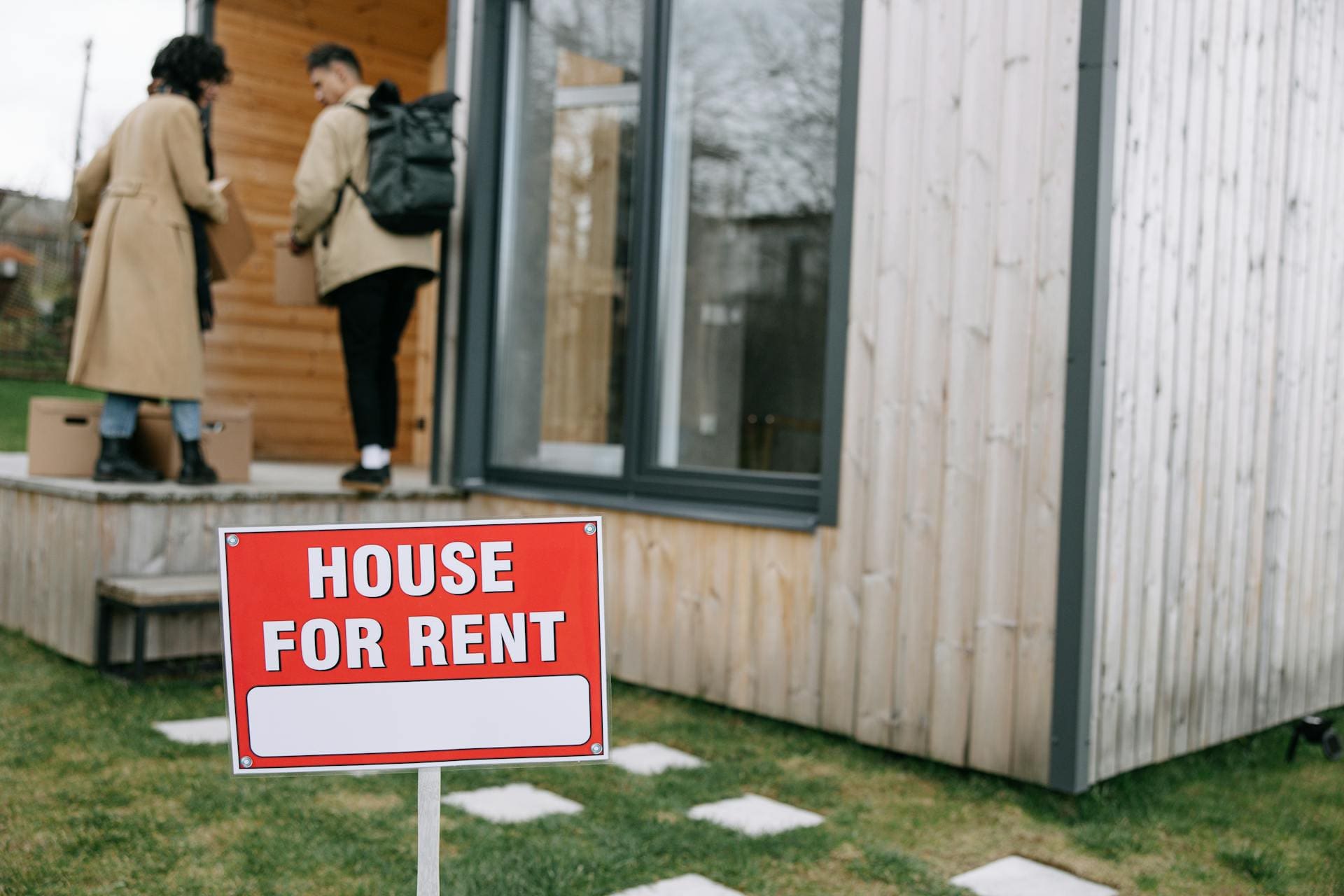
Avoid Costly Surprises Before Your First Tenant Moves In
Owning residential rental property is often presented as a straightforward path to building wealth, but the financial reality is more complex. One of the most important, and frequently misunderstood, components of a sustainable rental strategy is insurance. Rental property insurance is not merely a box to check before a tenant moves in; it is a central risk management tool that protects your cash flow, preserves access to financing, and supports long-term returns.
From a financial perspective, a significant property loss or liability claim can disrupt rental income, trigger loan defaults, and force the liquidation of assets at unfavorable times. The quality and structure of your insurance coverage directly influence how resilient your investment is to such shocks. If the wrong policy is in place, a single storm, fire, or lawsuit can erase years of accumulated equity and savings.
Many first-time landlords are what might be called “accidental” investors. They move out of a primary residence and decide to rent it rather than sell, or they purchase a small rental property because it appears to be a practical entry point into real estate investing. In both situations, it is common to rely on the wrong type of insurance or to accept bare-minimum coverage, discovering coverage gaps only after a claim occurs.
The purpose of this article is to provide a structured, more analytical overview of common rental property insurance mistakes, and to explain why they matter from both a risk management and a cash-flow perspective. The focus is on issues that frequently arise before or soon after the first tenant moves in, particularly during seasons when both tenant turnover and weather-related losses are more likely.
Mistaking Homeowners Insurance for Rental Property Coverage
A foundational distinction that new landlords often miss is the difference between homeowners insurance and rental property insurance. These policy types are built around different assumptions about occupancy, risk, and legal exposure.
A standard homeowners insurance policy (commonly written on forms such as HO-3 or HO-5, depending on the insurer) is designed for an owner-occupied dwelling. Underwriting and pricing assume that the policyholder lives in the home, maintains it, and exercises day-to-day control over the premises. Once a tenant occupies the property and the owner no longer lives there, the risk profile changes in ways that are material to the insurer:
-
The owner may not be present to address developing maintenance issues, increasing the potential for undetected water damage or other property losses.
-
The frequency and nature of liability exposures may change because tenants, their guests, and service providers use the premises differently than owners do.
-
Turnover, vacancy periods, and tenant behavior introduce additional uncertainty.
A common mistake is to keep a former primary residence insured with a homeowners policy after converting it into a rental property. On the surface, this may appear adequate, as the property remains physically the same. However, if a loss occurs while the property is tenant-occupied, the insurer can treat the situation as a misclassified risk. Possible consequences include:
-
Denied or reduced claims, particularly if the policy expressly limits or excludes coverage once the dwelling is no longer owner-occupied.
-
Conflicts with the lender, whose mortgage terms generally require that the property be insured appropriately for its use.
-
The need to obtain correct coverage after a loss, often at a moment when the owner is already under financial and operational stress.
For rental properties, the more appropriate structure is typically a dwelling fire or landlord policy (often written on forms such as DP-3, though terminology varies by insurer). Key components of a landlord-oriented policy generally include:
-
Dwelling coverage to repair or rebuild the physical structure of the building and attached features (e.g., attached garages, permanently installed fixtures).
-
Landlord liability protection to address third-party bodily injury or property damage claims associated with conditions at the property.
-
Loss of rents coverage to compensate for rental income lost when a covered property loss renders the unit uninhabitable during the period of restoration.
These concepts apply to single-family rentals, duplexes, and small multifamily buildings, though the specific policy form, eligibility criteria, and coverage limits will differ by insurer and by jurisdiction.
Setting Dwelling Limits and the Role of Replacement Cost
A frequent error among new landlords is to select a dwelling limit based on the mortgage balance or the original purchase price of the property. This approach overlooks the distinction between market value and reconstruction cost.
-
Market value reflects what a buyer is willing to pay for the property, incorporating the value of the land, local demand, interest rate conditions, and neighborhood characteristics.
-
Replacement cost reflects the cost to rebuild the structure with materials of like kind and quality, at current prices, and in compliance with applicable building codes.
There are several reasons why replacement cost can significantly exceed the price originally paid for the property or the current loan balance:
-
Local labor markets. Shortages of skilled labor, especially after regional disasters, can drive up labor rates.
-
Material costs. Prices for lumber, roofing, electrical components, and plumbing materials fluctuate and may spike during periods of high demand or supply chain disruption.
-
Code compliance and permitting. Even if the original structure predated certain building codes, a reconstruction project may be required to meet current standards, adding cost.
If the dwelling is insured below its true reconstruction cost, the owner may be exposed to a significant out-of-pocket burden in the event of a total loss. In addition, many policies incorporate coinsurance provisions, which can reduce partial loss payments when the property is insured to less than a specified percentage of its replacement cost.
Accordingly, it is often prudent to seek:
-
Replacement cost coverage on the dwelling rather than actual cash value (ACV), so that depreciation does not erode claim payments.
-
Extended or guaranteed replacement cost endorsements, where available, to provide a buffer if reconstruction costs exceed the initially estimated limit.
-
Ordinance or law coverage to address expenses associated with bringing an older structure into compliance with current codes after a covered loss.
Independent agencies that work with multiple insurers can often assist in developing a more accurate reconstruction cost estimate by using carrier tools, cost estimators, and local knowledge of remodeling and reconstruction markets. Relying on such analyses is typically safer than simply matching the loan balance or purchase price.
Structuring Loss of Rents Coverage to Match Realistic Timelines
Loss of rental income coverage (often termed “loss of rents” or “fair rental value” coverage) is another area where underestimation is common. This coverage is designed to replace rental income that is lost when a covered cause of loss (for example, a fire or severe wind event) renders the property uninhabitable and the unit cannot be occupied during the period of restoration.
New landlords frequently assume that repairs after a loss can be completed rapidly, leading them to choose minimal limits. In practice, several factors can extend the time required to return a property to service:
-
Insurer investigations, inspections, and adjustment activities.
-
Local permitting and inspection processes, which can introduce delays.
-
Contractor availability, particularly in regions recovering from widespread damage.
-
Supply chain disruptions affecting materials.
-
Additional time required to advertise, screen, and place new tenants if prior tenants do not return.
When selecting a loss of rents limit, it is useful to model a conservative restoration period rather than an idealized one. Key ongoing obligations to consider include:
-
Monthly mortgage payments, including principal and interest.
-
Property taxes and hazard insurance premiums.
-
Homeowners association (HOA) or condominium association dues, where applicable.
-
Basic maintenance, inspections, or utilities that may continue during the reconstruction period.
The goal is for loss of rents coverage to maintain the financial viability of the investment during a period when rental income stops but fixed expenses continue.
Evaluating Liability Protection for Landlords
Liability coverage is another area that can be overlooked or minimized by new rental owners. Landlord liability coverage is intended to respond when a third party alleges bodily injury or property damage arising from conditions at the rental property. Examples of events that may trigger such claims include:
-
Slips and falls on icy steps or poorly maintained walkways.
-
Failures of decks, railings, or stairs due to structural issues.
-
Injuries associated with unsafe common areas or unaddressed hazards.
-
Certain animal-related injuries, depending on policy terms and exclusions.
New landlords sometimes:
-
Maintain low liability limits that do not align with the total value of their assets and future earnings.
-
Rely solely on a personal umbrella policy that may not be properly structured to cover rental exposures.
-
Neglect to revisit liability limits as they acquire additional properties or form entities such as LLCs to hold real estate.
In general, it is prudent to:
-
Choose liability limits that reflect both current net worth and future earning potential, recognizing that substantial judgments can affect long-term financial security.
-
Consider a personal or commercial umbrella policy that is explicitly designed to sit over landlord or commercial property policies once a certain scale of ownership is reached.
-
Update coverage and umbrella structures as additional units are acquired or as the ownership structure changes (e.g., transition from personal ownership to a holding company).
In parallel with insurance, sound risk-control practices, such as regular property inspections, timely maintenance, clear house rules, and documentation of repairs and tenant communications, can reduce the likelihood of claims and support favorable outcomes when claims do occur.
Tenants, Renters Insurance, and Allocation of Responsibilities
Another recurrent area of confusion involves the difference between coverage for the landlord’s property and coverage for the tenant’s personal belongings and liability. A landlord-oriented policy is generally designed to protect:
-
The building itself (walls, roof, foundation, and attached structures).
-
Certain permanently installed fixtures and systems.
-
Landlord-owned appliances or other items explicitly included in the policy.
It does not typically cover a tenant’s personal property, such as furniture, clothing, electronics, or other personal effects. Nor is it usually intended to respond to a tenant’s personal liability exposures unrelated to the landlord’s negligence.
If the lease does not address renters insurance, disputes may arise after a loss event (such as a fire, theft, or significant water damage), with tenants expecting the landlord’s policy to compensate them for their belongings. To reduce such misunderstandings and to promote more robust risk management at the property level, many landlords adopt practices such as:
-
Requiring tenants to maintain renters insurance and including this requirement explicitly in the lease.
-
Requesting proof of coverage at move-in and on an annual basis thereafter.
-
Asking to be listed as an additional interest (or similar status, depending on insurer practices) so that the landlord is notified if the tenant’s policy is canceled or non-renewed.
-
Explaining in plain language which types of property and responsibilities fall under the landlord’s policy and which fall under the tenant’s policy.
This approach helps to clarify expectations, reduces post-claim friction, and supports faster resolution of losses.
Short-Term Use, Student Housing, and Changing Occupancy Patterns
Insurers categorize occupancy in ways that have direct implications for coverage, pricing, and eligibility. Common occupancy categories include:
-
Long-term rentals with standard one-year or multi-month leases.
-
Short-term or vacation rentals (including properties listed on digital platforms) with frequent guest turnover.
-
Student housing, often characterized by higher density, multiple unrelated occupants, and academic-year seasonality.
-
Vacant or unoccupied properties, where no one lives in the dwelling for a specified period (often 30, 60, days or more, depending on policy language).
Using a basic landlord policy designed for a long-term lease to insure a property that is, in practice, operated as a short-term rental can create significant coverage gaps. For example, some standard landlord forms may restrict or exclude certain types of losses when occupancy is transient or when the property is effectively operating as a hospitality business.
Similarly, allowing a property to remain vacant or unoccupied beyond the time limits specified in the policy can affect coverage for perils such as vandalism, certain types of water damage, or glass breakage.
To align coverage with actual use, landlords should:
-
Accurately describe how the property will be used when obtaining insurance, including whether it will be a long-term rental, a short-term rental, or a seasonal property.
-
Notify their agent or insurer if they intend to transition from long-term to short-term rentals, or vice versa.
-
Inform their agent if a unit is expected to remain vacant or unoccupied for an extended period, such as during substantial renovations or between tenant cohorts.
Carriers often offer endorsements or specialized policies for short-term rentals, seasonal use, or vacant properties. The appropriate solution depends on the specific occupancy pattern, jurisdictional considerations, and the landlord’s broader risk tolerance.
Evaluating Policies Beyond Price Alone
For many new landlords, premium is the most visible aspect of an insurance quote, and it is tempting to select a policy based primarily on price. However, different policies can vary meaningfully in terms of covered causes of loss, settlement provisions, exclusions, and sublimits. Selecting coverage on price alone can leave important exposures unaddressed.
When comparing landlord policies, it is useful to examine, at a minimum:
-
Whether the policy is written on a “named perils” basis (covering only listed causes of loss) or a broader “special” or “all risks” basis (subject to exclusions).
-
Deductible amounts, including any separate wind, hail, or hurricane deductibles in regions with elevated storm risk.
-
Whether losses to the dwelling are paid on a replacement cost basis or an actual cash value basis.
-
Exclusions or limitations related to water damage, including sewer or drain backup and sump overflow, which are often excluded unless specifically endorsed.
-
Coverage for theft or vandalism of landlord-owned property, such as appliances, tools stored on-site, or furnishings in furnished rentals.
-
The presence and structure of inflation guard provisions designed to adjust coverage limits over time as construction costs rise.
By analyzing these features, landlords can make more informed decisions that weigh both premium and risk transfer quality.
Periodic Review as Properties and Portfolios Evolve
Insurance needs are dynamic rather than static. As a rental property changes or as a landlord’s portfolio grows, coverage should be reviewed and adjusted to remain aligned with the underlying risk profile.
Events that should typically trigger a coverage review include:
-
Significant renovations, such as kitchen or bathroom upgrades, finishing a basement, or adding living area.
-
Major system replacements or upgrades, such as new roofing, HVAC, plumbing, or electrical systems.
-
Additions of decks, fences, sheds, detached garages, or swimming pools.
-
Acquisition of adjacent properties or expansion from a single rental into a multi-property portfolio.
-
Refinancing or changes in lender requirements, which may impose different insurance standards.
Different property types introduce distinct risk characteristics. A single-family home rented to a long-term tenant, a duplex with separate utilities, a small apartment building with common areas, and a mixed-use structure with a commercial storefront on the ground floor do not share the same exposure profile. Local weather patterns, building codes, tenant demographics, and neighborhood characteristics all influence the type and amount of insurance that is appropriate.
While consolidating coverage with a single insurer or agency can create administrative efficiencies, each asset should still be evaluated on its own terms to avoid applying a uniform coverage approach to fundamentally different properties.
Integrating Insurance Into a Broader Risk Management Strategy
Insurance should be viewed as one component of a broader risk management framework for rental property ownership. A thoughtful strategy typically combines:
-
Appropriate legal structures (such as LLCs or trusts, where advised by legal counsel) to separate personal and investment assets.
-
Sound tenant screening and clear lease documentation.
-
Regular property maintenance schedules and documented inspections.
-
Safety improvements, such as smoke and carbon monoxide detectors, appropriate lighting, and handrails.
-
Adequate insurance coverage tailored to each property’s characteristics and usage patterns.
By integrating insurance coverage decisions into this broader context, landlords can better protect both current cash flow and long-term portfolio growth.
Independent insurance agencies that serve landlords across multiple states can assist in matching coverage to the exposures at each property, identifying common pitfalls such as misclassifying occupancy or underinsuring the dwelling, and keeping policies aligned as markets, building codes, and portfolios evolve. The more systematically these issues are addressed before the first tenant moves in, the less likely it is that a loss event will produce an unexpected and costly surprise.
Protect Your Rental Investment With the Right Coverage Today
Your rental properties are a major investment, and we are here to help you safeguard them with the right level of protection. At Ingram Insurance Group, we take the time to understand your units, your tenants, and your risk tolerance so we can match you with tailored rental property insurance. If you are ready to review your current coverage or build a new policy from the ground up, let us walk you through your options step by step. Have questions or want to get started now? Simply contact us and we will help you move forward with confidence.





