
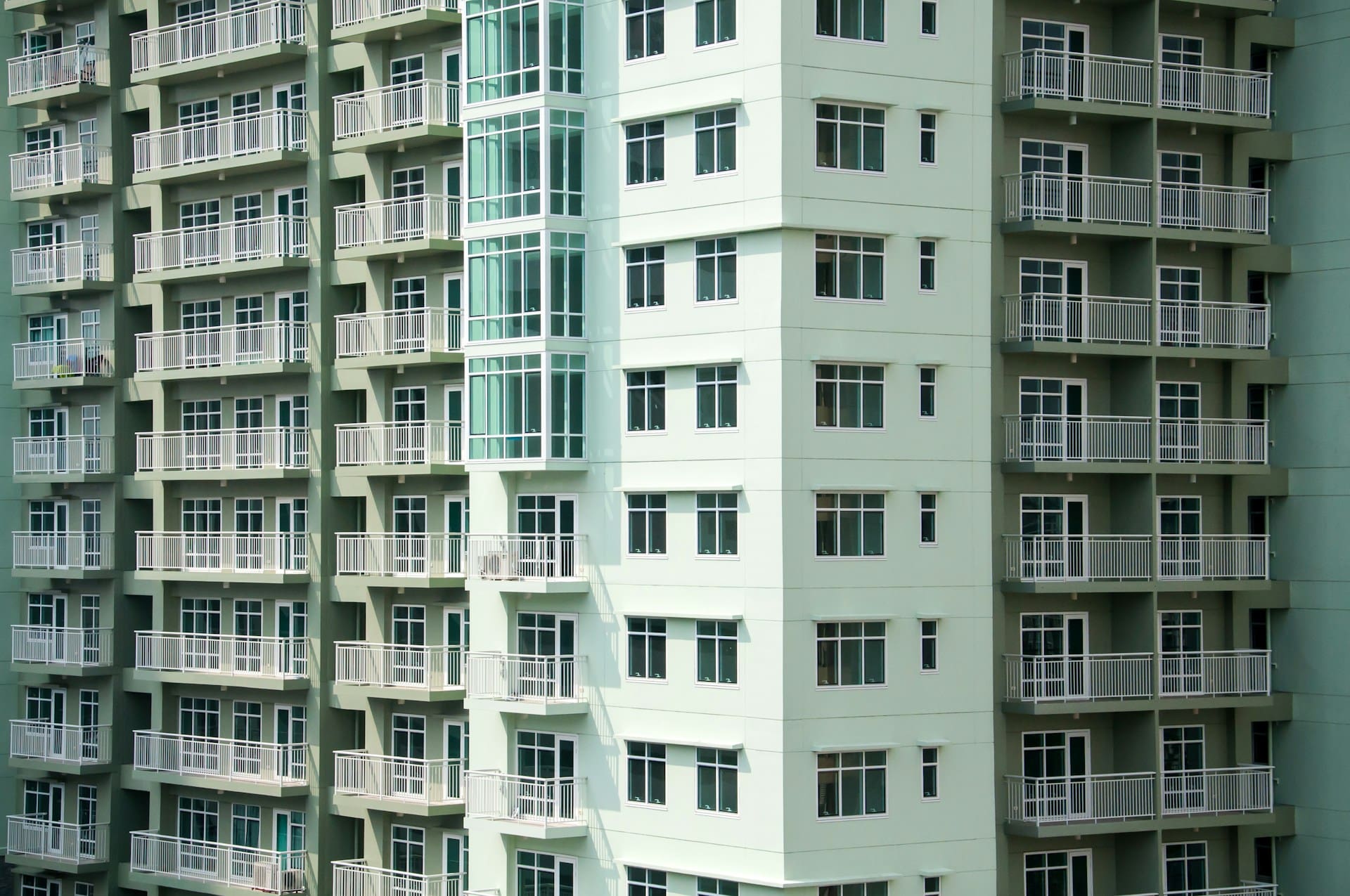
Owning and operating an apartment building represents a substantial progression from managing single-family rentals. In addition to the operational and financial complexities that accompany multifamily real estate, risk management and insurance planning become materially more intricate as the scale of the asset grows. Commercial apartment building insurance is not merely a lender requirement at closing; it is a core risk-transfer mechanism that protects equity, stabilizes cash flow, and supports long-term portfolio growth. When a fire, storm event, or critical system failure affects a large building, the direct and indirect costs can be significant, and the impact on rental income can extend over a prolonged period.
In this article, we provide a comprehensive, academically oriented overview of commercial apartment building insurance, with a focus on how it functions as a risk-management tool for multifamily real estate investors. We examine core coverages, valuation approaches, underwriting considerations, weather and seasonal risk, portfolio structuring, and common investor mistakes. The goal is to move beyond a surface-level, checklist-style treatment and instead provide a thorough framework for understanding how to structure insurance programs that align with investment objectives.
1. Overview of Commercial Apartment Building Insurance
1.1 Definition and Scope
Commercial apartment building insurance is designed for multifamily properties that are operated as income-producing businesses rather than as primary residences. This class of insurance typically applies when the property exceeds a certain unit threshold or when the risk profile is more complex than can be addressed by a standard homeowners or small landlord policy.
It is generally appropriate in the following situations:
-
Ownership of buildings with five or more residential units
-
Mixed-use buildings with residential units located above or adjacent to retail or office occupancies
-
Portfolios transitioning from oneto four-unit properties into larger, professionally managed multifamily assets
Unlike a standard homeowner’s policy or a basic landlord package designed for single-family homes or duplexes, commercial apartment building insurance is modular. It is composed of multiple coverage parts that can be tailored to the specific risk characteristics of each building and to the broader strategy of the investor’s portfolio.
Key components typically include:
-
Property coverage for the building and common areas
-
Liability coverage for bodily injury and property damage claims
-
Business income and extra expense coverage to address loss of rental income
-
Optional endorsements that respond to more specialized exposures (e.g., equipment breakdown, ordinance or law, sewer backup)
1.2 The Role of Insurance in Multifamily Risk Management
For multifamily real estate, insurance is central to a comprehensive risk-management framework. It serves several critical functions:
-
Capital Protection: By transferring low-frequency, high-severity risks (such as fires, major storms, or catastrophic mechanical failures), insurance helps preserve the equity that has been invested in the physical asset.
-
Cash Flow Stabilization: Business income coverage can mitigate the impact of temporary loss of rent following a covered loss, thereby smoothing cash flows and supporting debt-service obligations.
-
Compliance and Lender Requirements: Most commercial lenders require specific insurance limits, forms, and endorsements as a condition of financing. Failure to maintain appropriate coverage can constitute a loan default.
-
Portfolio Scalability: Well-structured insurance programs, especially those that use master policies and blanket limits, can facilitate more efficient scaling as new assets are acquired.
2. Core Property and Liability Coverages
2.1 Building and Property Coverage
Property coverage is the foundation of a commercial apartment insurance program. It addresses direct physical loss or damage to the insured building and, depending on policy wording, associated property.
Typical elements of covered property include:
-
The primary building structure (foundation, walls, floors, roof)
-
Roof assemblies, including surface materials and underlying components
-
Mechanical, electrical, and plumbing (MEP) systems, such as HVAC units, boilers, electrical panels, and domestic water systems
-
Vertical transportation systems, including elevators
-
Interior common areas: hallways, lobbies, stairwells, laundry rooms, storage rooms, mechanical rooms
-
Permanently installed fixtures, built-in cabinetry, counters, and certain appliances that are considered part of the building
The policy may also extend to limited amounts of:
-
Outdoor fixtures (e.g., light poles, signage)
-
Certain site improvements (e.g., parking lots, walkways, fencing), often subject to specific sublimits or separate definitions
2.1.1 Valuation Methods: Replacement Cost vs. Actual Cash Value
A key decision in structuring property coverage is the valuation basis used to determine claim payment.
-
Replacement Cost (RC): Under a replacement-cost basis, the insurer agrees to pay the cost to repair or replace damaged property with materials of like kind and quality, without deduction for physical depreciation, up to the policy limits and subject to policy conditions. This method is generally more aligned with investor objectives, as it aims to restore the building to its pre-loss functional condition using current construction costs.
-
Actual Cash Value (ACV): Under an ACV basis, the claim payment reflects replacement cost minus depreciation. Older roofs, mechanical systems, and finishes may be significantly depreciated, resulting in lower payable amounts. While ACV policies may have lower premiums, they can lead to substantial out-of-pocket costs at the time of loss.
From an investment and risk-management standpoint, replacement cost coverage is often preferred for core assets, particularly in environments where construction and labor costs are rising. However, investors must ensure that limit selections keep pace with inflation, material cost volatility, and improvements made to the property.
2.2 Liability Protection
Liability coverage addresses claims alleging that the property owner or manager is legally responsible for bodily injury or property damage to third parties. In the context of apartment buildings, potential claimants may include tenants, guests, vendors, contractors, delivery personnel, and members of the public entering the premises.
Common liability exposures at apartment properties include:
-
Slip-and-fall incidents in common areas (e.g., stairwells, entryways, parking lots)
-
Injuries related to building systems (e.g., malfunctioning doors or gates, elevator incidents)
-
Alleged negligence in property maintenance (e.g., inadequate lighting, lack of snow and ice removal)
-
Property damage to neighboring buildings or vehicles originating from the insured premises (e.g., water damage, falling debris)
Liability limits should be selected with consideration of:
-
The total value of the investor’s real estate and non-real-estate assets
-
The investor’s net worth, risk tolerance, and long-term growth objectives
-
Lender or partnership agreement requirements
-
The potential severity of liability claims given the property’s size, location, and usage
Many investors supplement base liability limits with Commercial Umbrella or Excess Liability policies. These provide an additional layer of protection above the per-occurrence and aggregate limits of the underlying general liability policy, which can be particularly important for large portfolios or high-occupancy properties.
2.3 Business Income and Extra Expense Coverage
Business income (also called loss of rents or business interruption) coverage is designed to protect the revenue stream associated with the property following a covered physical loss. For apartment buildings, this generally means compensation for lost rental income when units are uninhabitable due to a covered cause of loss.
Key features typically include:
-
Coverage for Lost Rental Income: Reimbursement for the net rental income that would have been earned had no loss occurred, during the period of restoration defined by the policy.
-
Extra Expense Coverage: Reimbursement for reasonable additional expenses incurred to mitigate the loss or expedite the restoration of normal operations (e.g., temporary office space for on-site staff, additional security, expedited contractor costs).
Important considerations when structuring business income coverage include:
-
Coverage Period: Policies may specify a maximum period of indemnity (e.g., 12, 18, or 24 months) and may also limit coverage by a monetary cap.
-
Waiting Period: Some policies contain a waiting period (e.g., 48 or 72 hours) before coverage begins.
-
Partial Losses: When only a portion of the building is affected, business income coverage typically applies to the actual rental income lost from the impaired units, while unaffected units continue to generate revenue.
From a portfolio-management perspective, business income coverage is critical for meeting ongoing debt-service and operating obligations during a disruption. Inadequate limits or overly restrictive coverage periods can transform an insurable event into a material cash-flow crisis.
3. Addressing Coverage Gaps and Systems-Related Risks
Base commercial property policies are not designed to address every risk that an apartment building may face. Several optional endorsements and specialized coverages can significantly improve the resilience of a multifamily asset.
3.1 Equipment Breakdown Coverage
Equipment breakdown coverage (sometimes called boiler and machinery coverage) addresses losses stemming from sudden and accidental failures of critical building equipment due to internal causes, such as:
-
Mechanical breakdown
-
Electrical arcing
-
Pressure vessel failure
For apartment buildings, this coverage is particularly relevant to:
-
Boilers and hot water systems
-
Central HVAC systems and chillers
-
Electrical distribution panels and transformers
-
Elevators and related control systems
Without this coverage, many policies will not respond to internal equipment failures that are not triggered by an external covered cause (such as a fire). For investors, breakdowns of critical systems can have both direct repair costs and indirect consequences, such as tenant dissatisfaction, habitability issues, and potential rent concessions or vacancies.
3.2 Ordinance or Law Coverage
Ordinance or law coverage addresses additional costs that arise when building codes or municipal ordinances require undamaged portions of a building to be repaired, upgraded, or demolished after a partial loss.
Coverage is often divided into three components:
-
Coverage A, Loss to the Undamaged Portion of the Building: Addresses situations where code requirements force demolition of undamaged parts of a building. Standard property coverage may not fully respond to losses involving undamaged portions.
-
Coverage B, Demolition Cost: Covers the cost to demolish and remove undamaged portions of the building as required by code.
-
Coverage C, Increased Cost of Construction: Addresses the additional costs necessary to bring the building into compliance with current building codes (e.g., upgrades to fire protection systems, accessibility, structural components).
Older or partially renovated apartment buildings are particularly vulnerable to ordinance or law exposures. An otherwise manageable loss (e.g., a localized fire) may trigger substantial code-related costs that exceed basic property limits if ordinance or law coverage is not adequately structured.
3.3 Sewer or Drain Backup
Standard property policies often exclude or severely limit coverage for damage caused by the backing up of sewers or drains. In multifamily properties, such events can cause damage to:
-
Unit interiors (flooring, walls, cabinetry)
-
Common areas (laundry rooms, corridors)
-
Tenant personal property (although tenants typically insure their own belongings under separate renters policies)
An endorsement for sewer or drain backup can extend coverage for these types of incidents, often subject to a specified sublimit. Given the frequency and severity of water-related claims in multifamily structures, this endorsement can be particularly valuable.
3.4 Utility Services and Off-Premises Power Coverage
Utility services endorsements address losses associated with interruptions of power, water, or communication services originating from outside the insured premises. For example, a storm-damaged substation may interrupt power to an apartment complex, leading to:
-
Refrigeration loss or damage in certain property types
-
Inability to maintain habitability (e.g., heating and cooling systems)
-
Temporary suspension of operations or additional security and maintenance costs
Coverage for off-premises power can be structured to apply to direct damage, business income, or both, subject to policy terms and endorsements.
4. Weather, Seasonal Risks, and Risk-Mitigation Practices
4.1 Weather-Related Perils
Apartment buildings are exposed to a range of weather-related perils, which may vary by geographic region. In many Midwestern and similar markets, common exposures include:
-
Hail and Wind: Damage to roofs, siding, windows, and exterior finishes.
-
Heavy Rainfall and Water Intrusion: Infiltration around windows, flashing, or through flat roofs, potentially leading to interior water damage and mold concerns.
-
Heat Waves: Increased strain on HVAC and electrical systems, and associated comfort and habitability concerns.
Insurers often analyze historical weather loss patterns in a given region in order to set terms, deductibles, and pricing. Percentage-based deductibles (e.g., 1, 5% of the building value) are increasingly common for wind and hail in certain markets, which directly affects the investor’s potential out-of-pocket responsibility.
4.2 Proactive Risk Management and Maintenance
Insurers frequently evaluate not only the physical characteristics of the property but also the owner’s risk-management practices. Proactive maintenance and documentation can improve both risk outcomes and the insurability of the asset.
Common best practices include:
-
Regular Roof Inspections: Scheduled evaluations of roofing systems, with prompt repair of identified defects such as punctures, membrane separations, or flashing failures.
-
HVAC and Mechanical Servicing: Preventive maintenance prior to peak heating or cooling seasons, including filter changes, coil cleaning, and testing of controls.
-
Documentation of Building Condition: Photographic records, maintenance logs, contractor reports, and inspection findings, which can assist in efficient claims handling and underwriting discussions.
-
Water Management: Routine inspection of gutters, downspouts, surface drainage, and grading to reduce the risk of water intrusion events.
A well-documented maintenance program not only reduces the likelihood and severity of losses but may also support more favorable underwriting terms, especially in competitive insurance markets.
5. Underwriting, Pricing, and Program Structure
5.1 Underwriting Criteria
Insurers evaluate a variety of property-specific and operational factors in determining eligibility, coverage terms, and pricing. Common underwriting considerations for apartment buildings include:
Property Characteristics
-
Age of the building and date of major system updates (roof, wiring, plumbing, HVAC)
-
Construction type (e.g., frame, masonry, fire-resistive) and roof type (e.g., shingle, membrane, metal)
-
Number of units and total square footage
-
Occupancy rates and tenant mix (e.g., market-rate, student housing, senior housing)
-
Neighborhood crime data and proximity to fire services (e.g., distance to fire station, hydrant availability)
Risk-Control Features
-
Presence of automatic fire sprinklers, monitored fire alarms, and smoke detectors
-
Controlled-access systems, fencing, and exterior lighting
-
Security measures (e.g., cameras, patrols) where appropriate
-
Documented tenant screening procedures and written house rules or lease addenda
-
Evidence of formal maintenance programs and vendor contracts
Properties that demonstrate strong life-safety features, robust maintenance practices, and stable occupancy profiles may receive broader coverage options and more favorable pricing relative to comparable assets with weaker controls.
5.2 Limits, Deductibles, and Inflation Considerations
Selecting appropriate insurance limits is a core responsibility of the property owner or manager. Underinsurance can result in coinsurance penalties, inadequate claim payments, and impaired rebuilding efforts.
Key factors when establishing limits include:
-
Current construction and labor costs in the relevant market
-
Any recent capital improvements, renovations, or amenity additions
-
Anticipated inflation and cost volatility over the policy term
-
Projected costs associated with debris removal and professional fees (e.g., architects, engineers)
Deductible structures may include:
-
Flat deductibles for most perils (e.g., a fixed dollar amount per occurrence)
-
Percentage deductibles for wind and hail (e.g., a specified percentage of the building’s insured value)
-
Per-building vs. per-occurrence application for portfolios with multiple locations
Investors should model the financial impact of different deductible options, balancing premium savings against the potential cash-flow strain of a large deductible following a loss event.
5.3 Policy Conditions, Exclusions, and Fine Print
Beyond limits and deductibles, policy terms and conditions can materially affect coverage. Areas that warrant particular attention include:
-
Vacancy Provisions: Many policies reduce or restrict coverage if a building or a significant portion of it remains vacant beyond a specified period. This is especially relevant during major renovations or lease-up phases.
-
Maintenance Expectations: Insurers typically exclude losses arising from wear and tear, gradual deterioration, or long-term water seepage. Failure to maintain roofs, plumbing, and building envelopes may result in denied claims.
-
Exclusions and Sublimits: Certain perils or property categories (e.g., flood, earthquake, mold, fine arts, outdoor signs) may be excluded or subject to reduced sublimits or specialized policies.
A careful review of the policy form, preferably in consultation with a qualified insurance professional or legal advisor, is critical for sophisticated investors.
5.4 Portfolio Strategy: Single-Property vs. Master Programs
Investors with multiple apartment buildings have several options for structuring their insurance programs:
1. Separate Policy Per Property
-
Advantages: Administrative simplicity on a per-asset basis; clear separation of coverage and limits.
-
Disadvantages: Potential inefficiencies in pricing; more complex to coordinate renewals; limited ability to leverage portfolio scale.
2. Master Policy with Multiple Locations
-
Advantages: Potentially more favorable pricing due to aggregated values; simplified administration; the option to use blanket limits across multiple buildings.
-
Disadvantages: Requires more careful limit selection; large losses at one location can impact the aggregate protection available to others.
3. Scheduled Property Approach
Each building is separately listed (scheduled) on the policy with its own values and characteristics. The program may still employ shared or blanket limits.
A well-structured master program should make it straightforward to add newly acquired properties, maintain consistent terms across the portfolio, and align coverage with the investor’s growth trajectory.
6. Common Investor Mistakes and Best Practices
6.1 Recurring Mistakes in Multifamily Insurance Planning
Several recurring patterns emerge in how apartment investors approach insurance:
-
Treating Insurance as a Closing Checklist Item: Addressing insurance only at the end of the acquisition process can lead to rushed decisions, suboptimal coverage structures, and missed opportunities to negotiate terms.
-
Using Policies Designed for Smaller or Personal Risks: Applying small-landlord or personal-lines policies to assets that function as commercial apartment buildings can create coverage gaps and compliance issues with lenders.
-
Omitting Key Endorsements: Skipping ordinance or law coverage, robust business income coverage, equipment breakdown, or sewer backup endorsements can convert otherwise manageable events into financially disruptive losses.
-
Underinsuring Building Values: Failing to keep insured values aligned with current replacement costs, particularly during periods of rapid inflation in construction materials and labor.
6.2 Integrating Insurance in Acquisition and Asset Management
To avoid these pitfalls, investors may benefit from integrating insurance considerations into broader acquisition and asset-management processes:
During Due Diligence
-
Obtain building information required for underwriting early (e.g., roof reports, age of systems, prior loss history).
-
Assess code-compliance issues and potential ordinance or law exposures, particularly for older buildings.
-
Evaluate neighborhood and environmental risks (e.g., flood zones, crime scores) that can influence availability and pricing of coverage.
At Closing and Immediately Post-Acquisition
-
Ensure effective dates align precisely so that there are no gaps in coverage between prior and new policies.
-
Confirm that all required lenders and stakeholders are properly named (e.g., mortgagees, additional insureds, loss payees).
Ongoing Asset Management
-
Periodically review insured values, coverage limits, and endorsements in light of capital expenditures and market conditions.
-
Document maintenance and safety initiatives to present a strong risk profile at renewal.
When insurance is treated as a strategic component of the investment plan rather than a transactional afterthought, it functions as an asset that supports both downside protection and long-term portfolio resilience.
7. Frequently Asked Questions (FAQs)
7.1 Commercial vs. Single-Family Landlord Insurance Differences
Commercial apartment building insurance is designed for larger, income-producing residential properties and typically provides:
-
Higher and more flexible property limits
-
Specialized business income and extra-expense coverage tailored to multifamily operations
-
Broader liability options and the ability to structure coverage across multiple locations under a single program
In contrast, single-family landlord policies are usually optimized for oneto four-unit properties and may not offer the scope or scale of coverage appropriate for larger multifamily assets.
7.2 What Information Is Generally Required to Obtain a Quote?
Insurers commonly request:
-
Year of original construction and details of major updates (roof, electrical, plumbing, HVAC)
-
Construction and roof type, including roof age
-
Number of units, unit mix, and occupancy levels
-
Current and projected rents, along with total annual rental income
-
Existing insurance limits, deductibles, and coverage forms
-
Five-year loss history, including descriptions of any significant claims
-
Planned renovations, capital projects, or changes in use
Providing accurate, detailed information can lead to more precise pricing and more suitable coverage offers.
7.3 How Should Investors Choose the Right Liability Coverage Amount?
There is no single formula, but common considerations include:
-
The total value of the investor’s real estate holdings and other assets
-
The number of units and potential magnitude of liability claims
-
Contractual requirements from lenders, investors, or partners
-
The investor’s risk tolerance and long-term objectives
Many apartment investors select robust general liability limits and then add a commercial umbrella policy to provide additional protection above those base limits.
7.4 Does a Building Policy Cover Tenants’ Personal Property?
In most cases, commercial apartment building insurance does not cover tenants’ personal belongings. The building policy is designed to protect the structure and certain items owned by the property owner. Tenants are generally expected to carry renters insurance for their personal property and personal liability.
7.5 How Loss of Rental Income Coverage Works With Partial Damage
When a partial loss occurs, business income coverage typically responds to the actual rental income lost from units that are uninhabitable due to a covered cause of loss, subject to policy terms, waiting periods, and limits. Units unaffected by the loss continue to produce income and are not included in the calculation of lost rents. Documentation of pre-loss rent rolls and restoration timelines is essential for accurate claim settlement.
7.6 What Happens If a Building Is Vacant During Renovations?
Vacancy can materially affect coverage. Many policies contain provisions that limit or change coverage when a building is vacant beyond a specified threshold of time or occupancy. During renovation or lease-up periods, it is important to disclose the situation to the insurer so that appropriate terms can be structured, which may involve:
-
Builder’s risk or course-of-construction coverage
-
Modified vacancy provisions
-
Adjusted limits or endorsements to reflect the project’s stage
7.7 Can Properties in Different States Be Insured Under One Program?
In many circumstances, a single insurance program can be structured to include multiple locations and multiple named insureds, such as different limited liability companies (LLCs). However, clear documentation of ownership, management responsibilities, and insurable interest is required. Regulatory differences between states, as well as lender-specific requirements, must also be taken into account when designing a multi-state program.
7.8 Is Flood or Earthquake Coverage Included in a Standard Apartment Building Policy?
Standard property policies commonly exclude flood and may exclude or restrict coverage for earthquake. If the property is located in a flood-prone or seismically active area, separate flood and earthquake policies or endorsements may be necessary. Investors should review flood maps, seismic risk data, and lender requirements to determine whether these coverages are appropriate.
7.9 How Often Should Insurance Limits and Coverages Be Reviewed?
It is prudent to conduct a formal review at least annually, and more frequently if there are significant changes such as:
-
Major capital improvements or expansions
-
Shifts in local construction costs or inflation
-
Changes in occupancy or operational model
-
New lender or partnership requirements
Regular review helps ensure that the insurance program remains aligned with the asset’s current characteristics and the investor’s risk-management goals.
8. Conclusion
Commercial apartment building insurance is a critical component of the risk-management framework for multifamily real estate investors. As properties scale in size and complexity, so too do the potential financial consequences of fires, storms, mechanical failures, and liability claims. An academically informed, holistic approach to insurance can protect equity, stabilize cash flow, and support the long-term growth of an apartment portfolio.
By understanding core coverage components, valuation methods, specialized endorsements, underwriting dynamics, and common pitfalls, investors can move beyond viewing insurance as a closing requirement. Instead, they can treat it as a strategic asset that complements sound acquisition, financing, and operational practices. Consistent review and purposeful structuring of insurance programs help ensure that when unexpected events occur, the financial impact is controlled and the path to recovery is clearly supported by the risk-transfer mechanisms in place.
Protect Your Apartment Investment With the Right Coverage
If you own or manage multifamily properties, now is the time to make sure your coverage truly matches your risks with our tailored commercial apartment building insurance solutions. At Ingram Insurance Group, we take the time to understand your buildings, tenants, and long-term plans so we can recommend coverage that actually works when you need it. Reach out today and let us review your current policies, identify gaps, and help you strengthen your protection. You can also contact us to schedule a conversation with our commercial insurance team.





